

Oil & Gas Equipment

Oil & Gas Equipment Isn’t Field-Ready Until It’s Ultrasonically Cleaned
In oil & gas, equipment reliability is everything — and cleanliness is a major factor in performance and lifespan. Residual cutting oils, grease, shop debris, carbon films, drilling mud, pipe dope, corrosion inhibitors, and microscopic metal fines can create premature wear, faulty seals, coating adhesion issues, and contamination in hydraulic or fuel systems. Tight tolerances, internal passages, threads, ports, and complex geometries demand a cleaning method that goes far beyond wiping and spraying.
Ultrasonic cleaning reaches where other methods can’t — penetrating every crevice with cavitation to remove contaminants at a microscopic level. Whether you’re preparing components for assembly, inspection, pressure testing, coating, welding, or rebuild, ultrasonic cleaning helps ensure oil & gas parts meet demanding cleanliness standards while protecting critical surfaces and precision features.
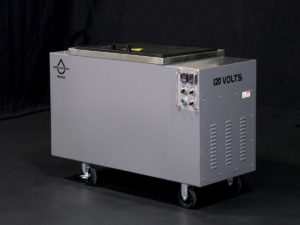
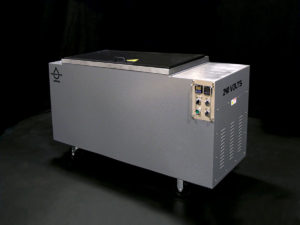
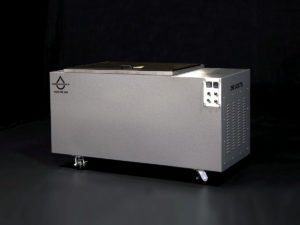
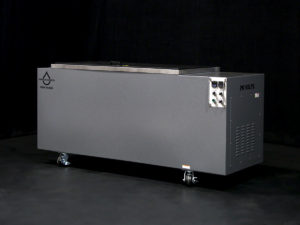
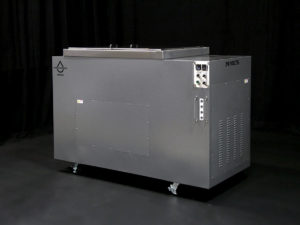
Ultrasonic cleaning is especially valuable for today’s high-stakes oil & gas components—where cleanliness impacts safety, uptime, and compliance. From valve bodies and seats to threaded couplings, downhole tools, hydraulic manifolds, pump components, burner parts, instrumentation fittings, and heat exchanger pieces, contaminants hide in threads, ports, internal bores, cross-drillings, and blind holes. Ultrasonic technology uses high-frequency sound waves and cavitation to remove residues from the most inaccessible areas without damaging delicate sealing surfaces, coatings, or precision-machined features.
Beyond performance, ultrasonic cleaning improves throughput and repeatability in maintenance, repair, and production environments. Batch processing enables consistent results across large volumes of parts while reducing manual labor, rework, and solvent dependence. Cleaner parts support better inspections (NDT/visual), more reliable assembly, improved coating adhesion, fewer leaks, longer component life, and less unplanned downtime—making ultrasonic cleaning a practical advantage for service shops, fabrication facilities, and equipment manufacturers across the oil & gas supply chain.
Features
Our clients rely on ultrasonic cleaning because it delivers measurable results—cleaner parts, faster cycles, and fewer failures.
- Removes stubborn oil & gas contaminants: hydrocarbons, pipe dope, grease, carbon films, scale, shop debris, and microscopic metal fines
- Reaches threads, ports, bores, blind holes, cross-drillings, and internal passages that manual cleaning can’t access
- Helps protect critical sealing surfaces and tight-tolerance features while improving inspection readiness
- Reduces rework, scrap, and downtime by delivering consistent, repeatable cleanliness
- Minimizes recontamination by lifting contaminants away from the surface instead of smearing them around
Case Study
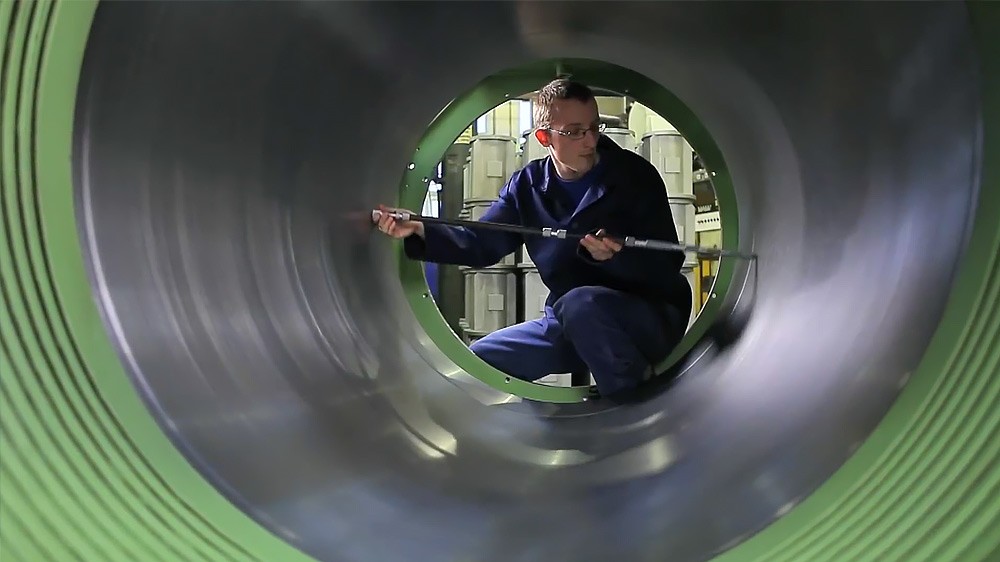
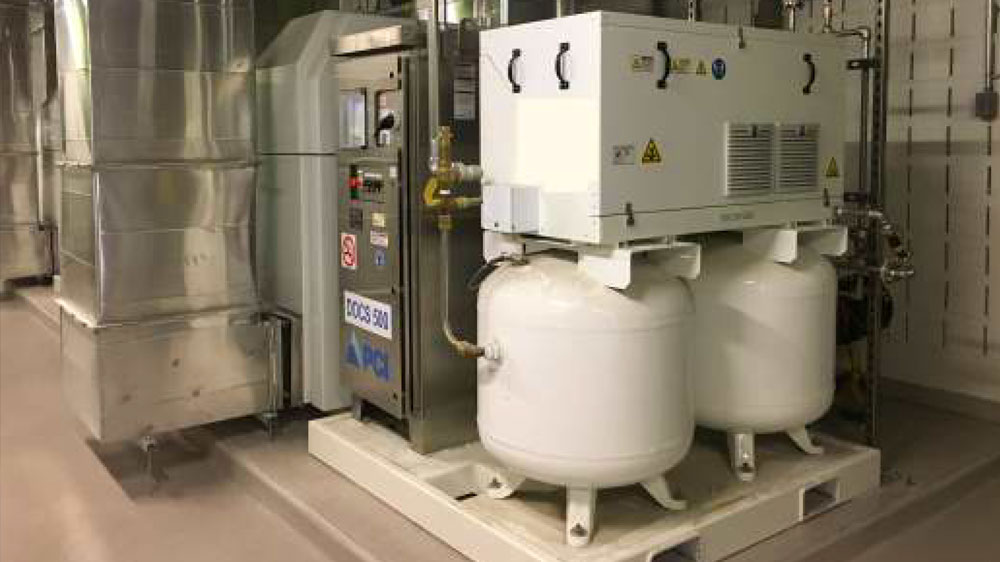
See how manufacturers improved quality and consistency by switching to ultrasonic cleaning—reducing manual labor and achieving repeatable results on complex parts.
"*" indicates required fields
Omegasonics Store
Shop our full line of replacement filter, baskets, accessories and spare parts